
Causes, Statistics & How to Avoid Delays (2026 Guide)
Introduction
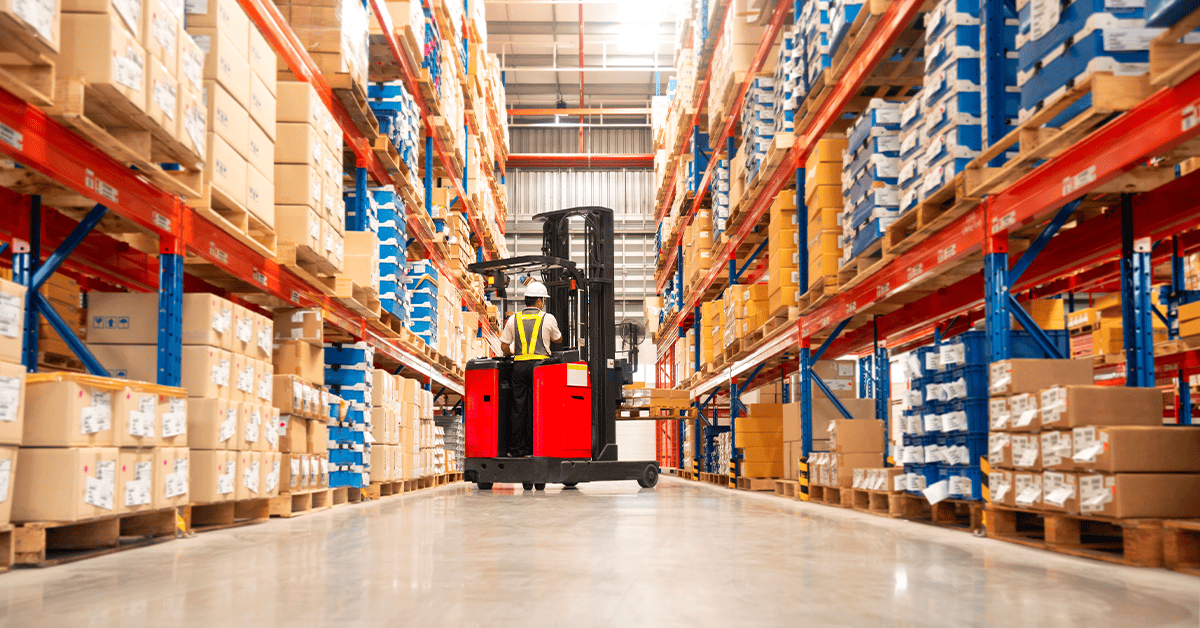
Malaysia is one of Southeast Asia’s most critical logistics hubs, positioned strategically along the Strait of Malacca—one of the world’s busiest shipping lanes. With thriving trade flows, the country processes millions of shipments annually through major ports such as Port Klang and Tanjung Pelepas.
In fact, Malaysia’s total trade surpassed RM3.06 trillion in 2025, marking the highest level in history, with exports exceeding RM1.6 trillion. Meanwhile, Port Klang alone handled 15.14 million TEUs in 2025, reinforcing its status as one of the world’s busiest container hubs.
However, despite this robust infrastructure, many importers and exporters still face a frustrating issue:
👉 shipment delays at customs in Malaysia
If you are wondering why shipment delayed at customs Malaysia, you are not alone. Delays can occur due to multiple factors—from minor documentation errors to global supply chain disruptions.
This comprehensive guide explains:
- The top reasons for customs delays in Malaysia
- Real logistics and trade statistics
- The impact on your business
- Practical ways to avoid costly delays
1. Understanding Customs Clearance in Malaysia
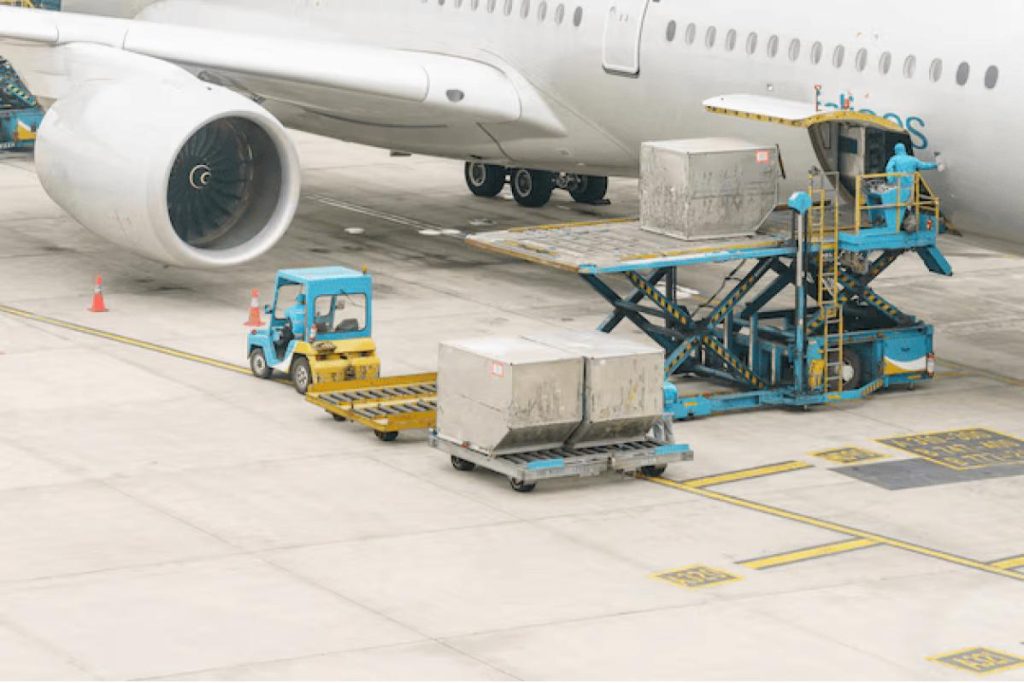
Before diving into the causes, it’s important to understand how customs clearance works.
Customs clearance in Malaysia involves:
- Document verification (invoice, packing list, Bill of Lading)
- Duty and tax assessment
- Regulatory compliance checks
- Risk assessment / inspection (if flagged)
Customs authorities aim to both: ✅ Facilitate trade
✅ Ensure compliance with laws and taxes
However, even small inconsistencies can trigger delays.
2. Why Shipment Delayed at Customs Malaysia (Top 10 Reasons)
2.1 Incorrect or Incomplete Documentation (Most Common Cause)
One of the primary reasons why shipments are delayed at customs Malaysia is poor documentation.
Even small mistakes can lead to:
- Manual inspection
- Request for additional documents
- Clearance delays of several days
Common documentation issues:
- Mismatched product descriptions
- Incorrect HS code classification
- Missing packing list details
- Incomplete consignee information
- Missing certificates or permits
Studies show that documentation errors remain one of the most persistent causes of customs delays worldwide.
👉 Example:
If your invoice says “electronics” but customs expects “integrated circuits,” this inconsistency may trigger a hold.
2.2 Incorrect HS Code or Tax Declaration
Customs duties in Malaysia depend on HS classification (Harmonized System code).
If you:
- Use the wrong HS code
- Misdeclare product value
- Underestimate duty
Your shipment may be: ❌ Held for review
❌ Reassessed
❌ Penalized
Incorrect classification is one of the most costly mistakes in international trade and can significantly slow down clearance processes.
2.3 Port Congestion (Major Contributor in Malaysia)
Malaysia’s major ports handle massive cargo volumes, and congestion is a real issue.
Key data:
- Port Klang processed 15.14 million TEUs in 2025
- Malaysia handled millions of containers quarterly, reflecting strong growth in trade volumes
Due to high volume:
- Ships may wait to berth
- Containers may sit in yard longer
- Clearance timelines increase
Reports show vessels may take 3–5 days to berth during congestion periods.
Real-time data also indicates delays of 1–2 days at Port Klang, depending on congestion levels.
2.4 Customs Inspection (Random or Targeted)
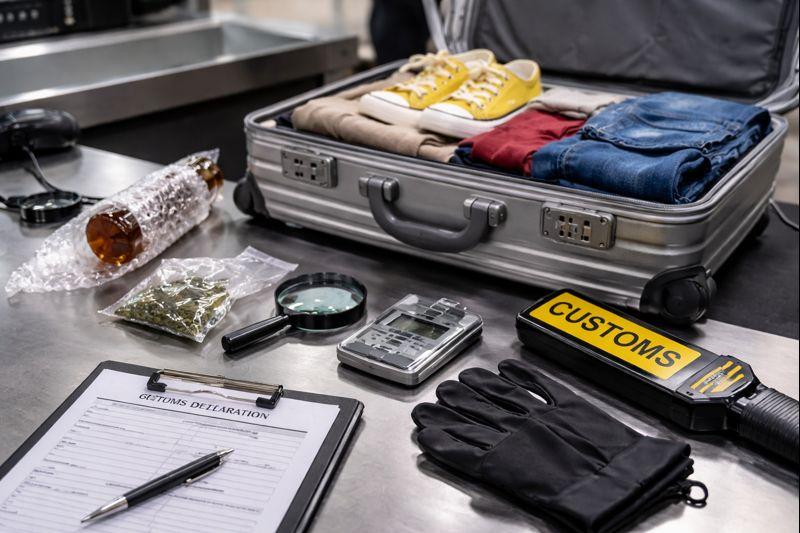
Even with perfect documentation, shipments may still be selected for inspection.
Types of inspections:
- Random checks
- Suspicion of misdeclaration
- High-risk goods (electronics, chemicals)
When this happens:
- Containers may be opened
- Authorities verify contents
- Clearance may take additional days
Inspection is a normal part of customs risk management.
2.5 Restricted or Controlled Goods
Certain products in Malaysia require:
- Import permits
- Licenses
- Regulatory approval
Examples:
- Food items
- Pharmaceuticals
- Chemicals
- Electronics with certifications
If documents are missing: 👉 Shipment will be held until compliance is verified
2.6 Unpaid Duties, SST or Fees
Customs will not release cargo until:
- Import duty
- Sales and Service Tax (SST)
- Handling charges
are fully paid.
Even minor delays in payment can result in:
- Storage charges
- Additional detention fees
2.7 Poor Packaging or Labelling Issues

Incorrect packaging may trigger customs concerns, such as:
- Missing labels
- Improper hazard marking
- Inaccurate weight declaration
This may lead to inspection or repacking requirements.
2.8 Incomplete or Missing Permits
Many shipments require additional documentation like:
- Certificate of Origin
- Import permits
- Safety certifications
Missing documents = automatic delay.
2.9 Global Supply Chain Disruptions
Malaysia is deeply integrated into global trade networks.
External factors include:
- Red Sea crisis rerouting vessels
- Geopolitical tensions
- Increased shipping demand
For example:
- Vessel rerouting increased congestion at Malaysian ports
- Ships waited up to 20–40 hours during peak disruptions
2.10 Coordination Issues Between Stakeholders
Delays can arise when:
- Importers, exporters, agents, and customs brokers are misaligned
- Communication breakdown occurs
This is especially common in multi-country shipments.
3. The Scale of the Problem in Malaysia
Customs delays are more than isolated incidents—they are part of a broader logistics challenge.
Malaysia trade growth:
- Total trade exceeded RM3 trillion in 2025
- Continuous export growth driven by electronics and manufacturing
Port capacity pressure:
- Port Klang ranked among Top 10 busiest ports globally
- Container volumes keep increasing annually
Key insight:
👉 Higher trade volume = Higher risk of delays
As logistics demand rises faster than infrastructure expansion, congestion and customs bottlenecks become inevitable.
4. Impact of Customs Delays on Businesses
If you’re wondering why this matters, here’s the reality:
4.1 Increased Costs
- Demurrage charges
- Storage fees
- Additional transport costs
4.2 Disrupted Supply Chain
Delays impact:
- Manufacturing schedules
- Inventory planning
- Delivery commitments
4.3 Revenue Loss
Late deliveries = unhappy customers = lost business.
4.4 Penalties and Compliance Risks
Incorrect declarations can result in:
- Fines
- Legal consequences
5. How to Avoid Shipment Delays at Customs Malaysia
Here are proven strategies used by professional freight forwarders:
5.1 Ensure Accurate Documentation
Checklist: ✅ Commercial invoice
✅ Packing list
✅ Bill of Lading / Air Waybill
✅ Certificate of Origin
✅ Import permits
Ensure consistency across all documents.
5.2 Use Correct HS Codes
- Verify classification before shipping
- Consult customs brokers when unsure
5.3 Work with Experienced Freight Forwarders
Professional forwarders:
- Understand Malaysian regulations
- Handle documentation properly
- Pre-clear shipments to reduce delays
5.4 Prepare for Duties and Taxes
- Calculate costs upfront
- Ensure timely payment
- Avoid clearance hold
5.5 Plan for Peak Seasons
Avoid:
- Chinese New Year rush
- Year-end peak congestion
5.6 Leverage Digital Systems
Malaysia introduced digital platforms like:
- Maritime Single Window
These systems help reduce delays by streamlining processes and improving efficiency.
5.7 Maintain Compliance for Regulated Goods
- Check product requirements
- Prepare necessary licenses before arrival
6. Real Example: Shipment Delay Scenario
Scenario:
An importer ships electronics from China to Port Klang.
Problem:
- Incorrect HS code used
- Missing product certification
Result:
- Shipment flagged for inspection
- Held for 3–5 days
- Additional storage fees incurred
Lesson:
Even small documentation mistakes can cause major delays.
7. Future Outlook: Will Customs Delays Improve?
The good news:
Malaysia is investing heavily in:
- Port expansion
- Digitalisation
- Automation
For example:
- Port Klang continues expanding capacity to handle future growth
- Digital systems significantly reduce clearance time
However, due to rising global trade complexity, delays will never be fully eliminated.
👉 The key is to manage and minimise them.
Conclusion
So, why shipment delayed at customs Malaysia?
The answer lies in a combination of factors:
- Documentation errors
- Incorrect HS codes
- Port congestion
- Customs inspections
- Regulatory compliance issues
- Global supply chain disruptions
With Malaysia handling trillions in trade and millions of containers annually, occasional delays are inevitable. However, most delays can be avoided with proper planning, accurate documentation, and the right logistics partner.
Final Takeaway
If you want to reduce customs delays:
✅ Double-check every document
✅ Work with experienced freight forwarders or malaysia logistics agent
✅ Stay compliant with Malaysian regulations
✅ Plan your shipments strategically
Need Help with Customs Clearance in Malaysia?
If your shipments are frequently delayed, working with a professional freight forwarder can make a significant difference—from documentation accuracy to faster clearance and reduced costs.