
Complete Guide to Efficient Freight, Trade & Supply Chain Operations
Introduction
Malaysia has established itself as one of Southeast Asia’s most important logistics and trading hubs, driven by its strategic geographic location, advanced port infrastructure, and strong global trade connections. Positioned along the Strait of Malacca—one of the busiest shipping routes in the world—the country plays a vital role in international supply chains.
The strength of import export Malaysia logistics is clearly reflected in its trade performance. In 2025, Malaysia’s total trade surpassed RM3.06 trillion, marking the highest level ever recorded. Exports exceeded RM1.6 trillion, highlighting Malaysia’s continued integration into global manufacturing and trading networks.
At the same time, major ports such as Port Klang handled over 15.14 million TEUs in 2025, reinforcing the country’s position as a leading maritime logistics hub.
This article provides a complete overview of import and export logistics in Malaysia, covering key processes, infrastructure, challenges, and best practices for businesses seeking efficient and cost-effective supply chain solutions.
1. Overview of Import Export Malaysia Logistics
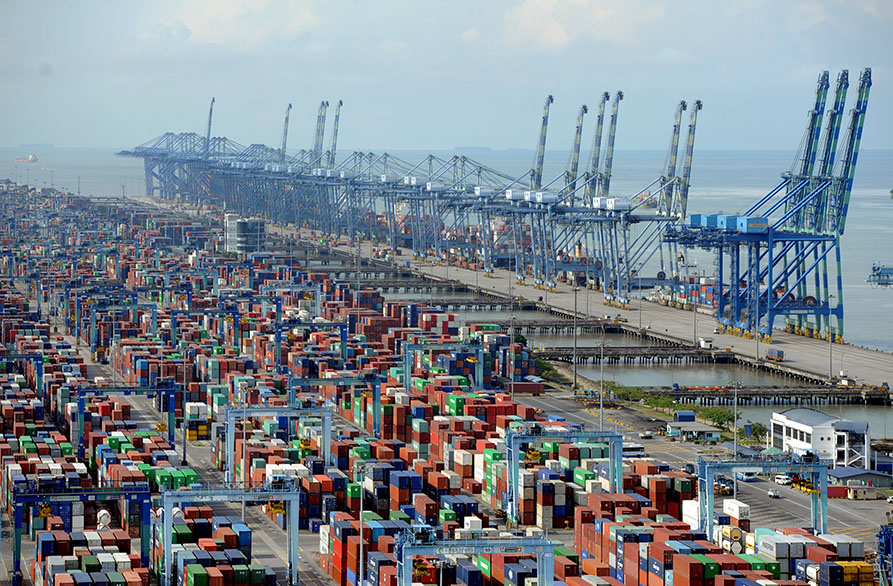
Import export logistics refers to the movement of goods into and out of Malaysia through coordinated transportation, customs clearance, warehousing, and distribution systems.
Malaysia benefits from:
- Strategic location between Asia, Europe, and the Middle East
- Strong port connectivity and shipping routes
- Advanced logistics infrastructure
- Government support for international trade
These advantages make Malaysia an attractive gateway for regional and global distribution.
2. Key Ports and Logistics Hubs in Malaysia
2.1 Port Klang
Port Klang is the primary maritime gateway of Malaysia and one of the busiest container ports globally. It plays a crucial role in import export Malaysia logistics by handling large volumes of cargo efficiently.
- Ranked among the Top 10 busiest ports in the world
- Handled over 15 million TEUs annually
- Comprises Westports and Northport terminals
Its strong connectivity to global shipping lines allows businesses to move goods efficiently across continents.
2.2 Port of Tanjung Pelepas (PTP)
Located in Johor, PTP is a major transshipment hub supporting regional trade. It complements Port Klang by handling a significant share of Malaysia’s container traffic.
Both ports together strengthen Malaysia’s position as a key player in the global logistics ecosystem.
2.3 Airports and Inland Logistics
Air freight is handled by major hubs including:
- Kuala Lumpur International Airport (KLIA)
- Penang International Airport
These airports support high-value and time-sensitive cargo such as electronics, pharmaceuticals, and e-commerce goods.
Malaysia also has extensive road and rail networks connecting ports to inland industrial zones, enabling seamless multimodal logistics operations.
3. Import Process in Malaysia
Understanding the import process is essential for businesses to avoid delays and ensure compliance.
Step-by-step import process:
- Pre-shipment preparation
- Purchase order
- Commercial invoice
- Packing list
- Shipping and arrival
- Cargo transported via sea or air
- Arrival at port or airport
- Customs clearance
- Submission of declarations
- Verification of documents
- Duty and tax assessment
- Duty and SST payment
- Import duties and Sales & Service Tax must be paid
- Release and delivery
- Cargo released and transported to final destination
Any errors in documentation or compliance can result in delays at customs, impacting delivery timelines.
4. Export Process from Malaysia
The export process is equally structured and regulated.
Key export steps:
- Order confirmation
- Preparation of export documents
- Commercial invoice
- Packing list
- Certificate of origin
- Customs declaration submission
- Cargo shipment via air or sea
- Delivery to destination country
Malaysia’s export sector is heavily driven by:
- Electrical and electronic (E&E) products
- Machinery and equipment
- Palm oil and agricultural goods
These industries rely heavily on efficient logistics systems to meet global demand.
5. Transportation Modes in Malaysia Logistics
5.1 Sea Freight
Sea freight is the most common mode for import export Malaysia logistics due to its cost-effectiveness.
Two main options:
- FCL (Full Container Load) – ideal for large shipments
- LCL (Less than Container Load) – suitable for smaller cargo
5.2 Air Freight
Air freight is used for urgent or high-value shipments.
Advantages:
- Faster transit time
- Higher security
However, it is more expensive compared to sea freight.
5.3 Road and Cross-Border Transport
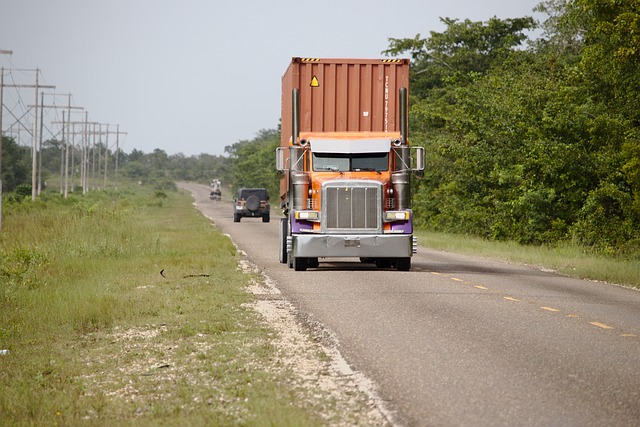
Malaysia has strong land connectivity with:
- Singapore
- Thailand
Road freight is widely used for regional distribution and cross-border trade within ASEAN.
6. Challenges in Import Export Malaysia Logistics
Despite strong infrastructure, several challenges impact logistics operations.
6.1 Port Congestion
High cargo volumes can lead to congestion, especially during peak seasons.
- Ships may experience delays before berthing
- Containers may take longer to clear
6.2 Customs Clearance Delays
Common causes include:
- Incorrect documentation
- Wrong HS codes
- Missing permits
6.3 Global Supply Chain Disruptions
External factors such as:
- Geopolitical tensions
- Shipping route disruptions
- Demand fluctuations
can affect Malaysia’s logistics performance.
7. Importance of Freight Forwarders
Freight forwarders play a critical role in simplifying import export Malaysia logistics.
Their services include:
- Shipment coordination
- Documentation handling
- Customs clearance
- Cost optimization
Working with a reliable logistics partner helps businesses avoid costly mistakes and delays.
8. Digital Transformation in Malaysia Logistics
Malaysia is actively investing in digitalisation to improve logistics efficiency.
Key developments include:
- Electronic customs documentation
- Real-time shipment tracking
- Digital port systems
Digital platforms help:
- Reduce processing time
- Improve transparency
- Minimise errors
These initiatives are essential to support growing trade volumes and maintain competitiveness.
9. Cost Factors in Import Export Logistics
Several components affect logistics cost in Malaysia:
- Freight charges (air or sea)
- Customs duties and SST
- Port handling fees
- Warehousing and storage
- Inland transportation
Proper planning and cost management are crucial for businesses to remain competitive.
10. Best Practices for Efficient Logistics Operations
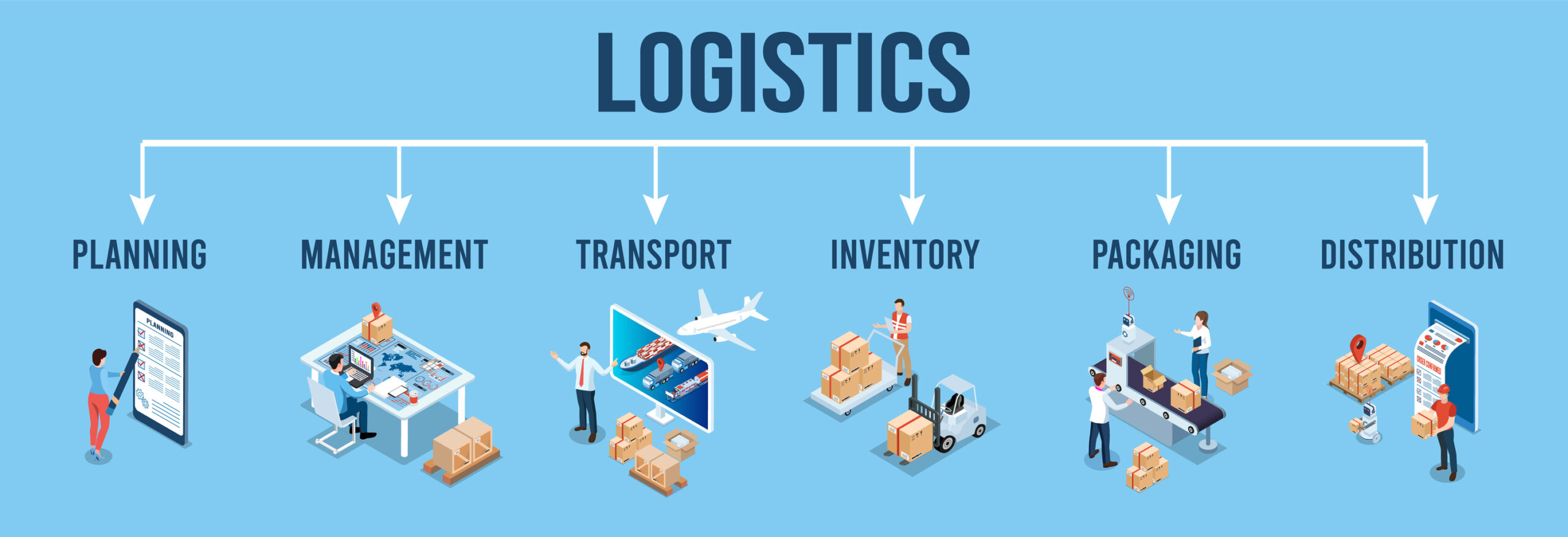
To optimize import export Malaysia logistics, businesses should adopt the following strategies:
1. Ensure accurate documentation
Avoid errors in invoices, packing lists, and declarations.
2. Plan shipments in advance
Account for peak seasons and potential delays.
3. Choose the right shipping mode
Balance cost and transit time based on cargo needs.
4. Work with experienced partners
Engage reliable freight forwarders and customs brokers.
5. Stay compliant with regulations
Keep updated with Malaysia customs requirements and trade policies.
Conclusion
Malaysia continues to strengthen its position as a leading logistics and trade hub in Southeast Asia. With record-breaking trade volumes exceeding RM3 trillion annually and major ports handling millions of containers, the country offers strong opportunities for businesses engaged in global trade.
However, navigating import export Malaysia logistics requires careful planning, accurate documentation, and a clear understanding of customs procedures. While challenges such as congestion and delays may occur, they can be minimised through proper strategy and professional support.
For businesses looking to expand in international markets, Malaysia provides a reliable and efficient logistics ecosystem—making it an ideal gateway for regional and global trade.